The Quiet Cost: Recognizing Burnout Before It Derails Your Demo Career
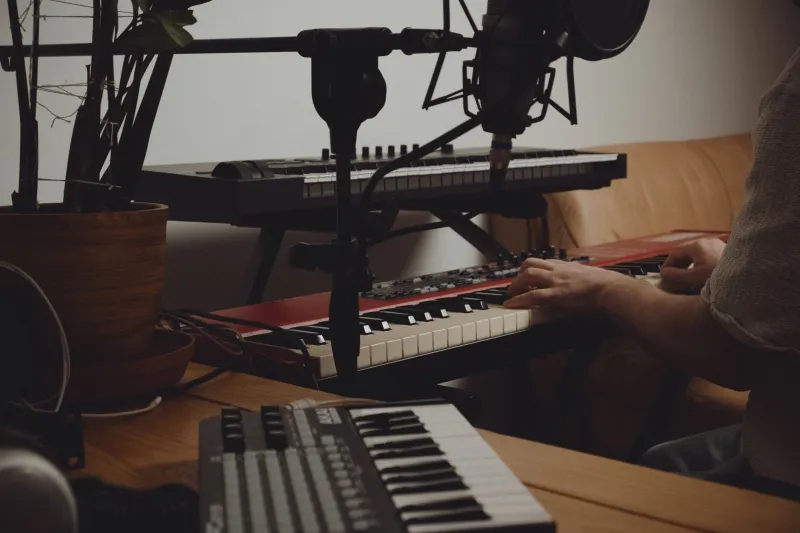
There's a version of this story that sounds like success. Booked solid. Clients happy. Demos going out the door. And underneath all of it, a gnawing exhaustion that you keep telling yourself you'll deal with after this project, after this month, after things slow down a little.
Things don't slow down. And one day you sit down at the mic and nothing comes. Not a creative block, exactly — more like the lights went out behind your eyes. That's burnout. And for demo artists, it's more common than the industry likes to admit.
This piece isn't about pushing through. It's about building a practice sustainable enough that you don't have to.
Why Demo Artists Are Especially Vulnerable
Burnout isn't unique to musicians, but the specific shape of it in the demo world has its own character. A few factors make this community particularly susceptible.
Rejection is structural. Submitting demos means hearing no — constantly, sometimes brutally. Unlike a job application where you might get one rejection per opportunity, demo artists can face dozens of passes on a single piece of work. The emotional math of that compounds fast. Research published in the Journal of Vocational Behavior found that chronic rejection in creative fields is a significant predictor of emotional exhaustion, particularly when artists lack social support.
Income unpredictability is stressful at a neurological level. The feast-or-famine cycle isn't just financially stressful — it activates the brain's threat-response systems in ways that sustained, low-grade stress does. When you don't know if next month's rent is covered, your nervous system doesn't fully relax, even during the good periods.
The work is also the identity. For most demo artists, this isn't just a job — it's who they are. That means criticism of the work can feel like criticism of the self. And the pressure to always be "on" — creative, bookable, promotable — leaves very little room for being a full human being who has bad days.
Isolation is built into the workflow. Home studios, solo sessions, remote client work — these are efficient. They're also lonely. Without the natural social scaffolding of a traditional workplace, it's easy to go days without meaningful human contact, which erodes resilience over time.
What Burnout Actually Looks Like
Burnout rarely feels like a dramatic breakdown. More often it looks like:
- Procrastinating on projects you used to find exciting
- Feeling detached or cynical about clients you genuinely liked
- Physical exhaustion that sleep doesn't fix
- Difficulty concentrating during sessions
- A creeping sense that your work isn't good enough, regardless of feedback
- Saying yes to everything because saying no feels too risky financially
- Dreading the thing you chose to do with your life
If any of those land, that's not weakness. That's your system telling you something important.
Building a Practice That Doesn't Eat You Alive
Treat Recovery Like Part of the Job
The most productive athletes in the world periodize their training — they build recovery into the schedule as deliberately as the hard work. Creative professionals need the same framework. That means protected time that isn't billable, isn't promotional, and isn't productive in any conventional sense. Rest isn't the reward for finishing everything. It's the input that makes finishing everything possible.
Practically, this might mean: no client work before 10am. No sessions on Sundays. A week off every quarter where you don't open your DAW for any professional reason. These sound like luxuries. They're actually infrastructure.
Get Specific About Boundaries With Clients
Boundaries is an overused word, but here's what it means concretely: decide in advance what you will and won't do, and communicate it before the situation arises rather than in the middle of one. Response times. Revision limits. After-hours communication. The artists who burn out fastest are usually the ones who've made themselves available for everything, always. Clients respect professionals who have clear terms — and the ones who don't probably weren't the right clients anyway.
Find Your People
Community is not optional. Whether that's a local musician collective, an online forum for session artists, a monthly coffee with two or three peers you trust, or a formal mastermind group — regular connection with people who understand the specific texture of this work is protective. Not to vent (though that helps), but to normalize the hard parts and celebrate the wins with people who actually get what the wins cost.
Organizations like the Recording Academy and local chapters of the American Federation of Musicians (AFM) offer community infrastructure that's worth exploring. Online, communities like Pensado's Place forums and various Facebook groups for session musicians can fill some of that gap.
Create Work That Has Nothing to Do With Bookings
This one's counterintuitive: make music that has no commercial purpose. No client. No deadline. No audience in mind. Just you and the craft for its own sake. This isn't wasted time — it's how you remember why you started. It's how you keep the intrinsic motivation alive when the extrinsic pressures are grinding.
Many artists find this kind of play directly feeds their professional work in ways they can't predict or plan. But even when it doesn't, it matters.
Know When to Talk to Someone
Therapy has a stigma problem in American culture generally and in creative industries specifically — there's a mythology about suffering as fuel that makes asking for help feel like an admission of weakness. That mythology is wrong, and it's expensive.
If you're experiencing persistent low mood, anxiety that's affecting your ability to work, or thoughts of self-harm, please reach out to a mental health professional. The 988 Suicide and Crisis Lifeline is available 24/7 by call or text. The Backline organization (backline.care) specifically supports music industry professionals with mental health resources and referrals. These aren't last resorts. They're tools, like any other.
The Long Game
A sustainable demo career isn't built on maximum output. It's built on consistent, quality output over years — and years require that you still be functional, motivated, and genuinely engaged with the work. That's the argument for taking care of yourself, if you need one that sounds like strategy.
The artists who last aren't the ones who burned brightest. They're the ones who kept the light on.