Fall Down Seven Times, Book Eight: How Demo Artists Turn Disasters Into Career Fuel
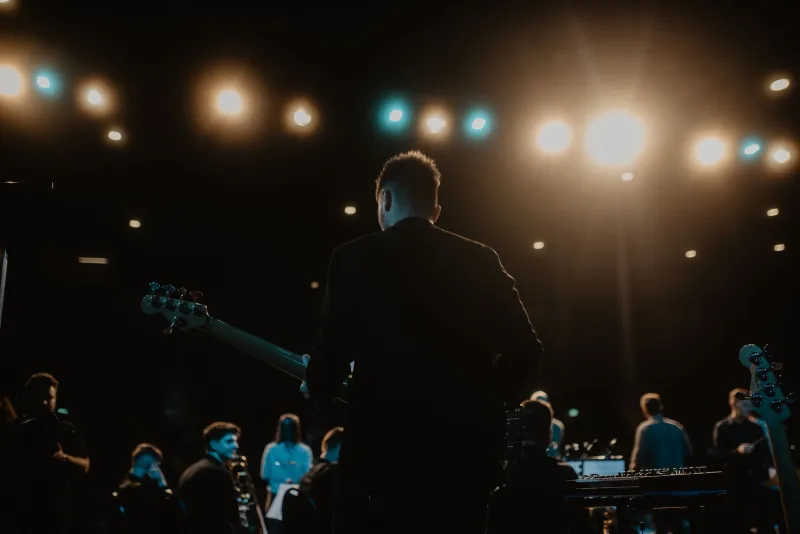
Somewhere right now, a demo artist is sitting in their car after the worst gig of their life.
Maybe the sound system failed mid-set. Maybe the crowd was hostile or indifferent in a way that felt personal. Maybe a video clip made the rounds on social media and not in the way anyone would want. Maybe a high-profile booking fell through at the last minute, taking a chunk of income and a lot of pride with it.
Here's the uncomfortable truth: this happens to everyone. Not just beginners. Not just people who "weren't ready." It happens to working professionals with full booking calendars and solid reputations. The difference between the artists who absorb a setback and the ones who let it define them isn't talent or luck. It's the recovery.
This piece is about the recovery.
Give Yourself a Window — Then Close It
The first thing to understand about bouncing back from a disaster is that you're allowed to feel bad about it. Skipping the emotional processing and immediately jumping into damage-control mode is a great way to carry unresolved frustration into your next performance, your next client call, your next creative session.
But there's a difference between processing and spiraling. Give yourself a defined window — maybe 24 to 48 hours — to feel whatever you feel. Talk to someone you trust. Write it out. Go for a long run. Do whatever helps you actually metabolize the experience instead of just suppressing it.
When the window closes, close it. The goal isn't to pretend the bad thing didn't happen. It's to move from "this happened to me" to "this is information I can use."
Resist the Urge to Over-Explain Publicly
In the age of social media, the instinct after a public stumble is to explain yourself. To post a statement. To get your version of events out there before someone else's version takes hold.
Usually, this makes things worse.
Most booking disasters — a cancelled gig, a rough performance, even a mildly embarrassing clip — have a shorter shelf life than artists expect. The internet moves fast. What feels catastrophic on Tuesday is largely forgotten by the following weekend. Over-explaining, however, extends the story. It signals that you're rattled, and it invites further scrutiny from people who wouldn't have noticed otherwise.
The smarter move, in most cases, is to say very little publicly and handle things directly with the people who actually matter: the client, the venue, your existing network. A brief, professional acknowledgment to the affected party — without excessive self-flagellation — goes further than a lengthy public statement.
If an apology is warranted, make it clean and sincere. If it's not warranted, don't manufacture one just to seem humble. People can tell the difference.
Do the Honest Post-Mortem
Once you've got some emotional distance from the event, it's time to get analytical. And this part requires a level of honesty that's genuinely uncomfortable.
Ask yourself: what actually went wrong, and what was my role in it?
Not every disaster is the artist's fault. Sound systems fail. Clients give bad briefs. Circumstances conspire. But in most cases, there's at least something within your control that contributed to the outcome — and that's actually good news, because controllable factors are the ones you can change.
Was the setlist wrong for the room? Were you underprepared for a technical issue? Did you misread the client's expectations during the booking process? Did you ignore a gut feeling that something was off?
Write it down. Be specific. This isn't about self-punishment — it's about building a clearer picture of where your systems or judgment broke down so you can shore them up before the next gig.
Use the Setback as a Positioning Opportunity
This one sounds counterintuitive, but stick with it.
Clients and industry contacts don't expect artists to be perfect. They expect artists to be professionals. And one of the clearest signals of professionalism is how someone handles adversity. An artist who navigates a rough situation with grace, communicates clearly, and comes back stronger is actually more impressive than an artist who's never been tested.
You don't need to broadcast your failures. But you also don't need to pretend they never happened. In conversations with clients or collaborators, there's often an opportunity to reference a past challenge in a way that demonstrates growth and self-awareness. "I've learned to always have a backup plan for X" is a sentence that builds trust, not erodes it.
The artists who've been around long enough have all got war stories. The ones worth booking are the ones who learned from them.
Rebuild Momentum With Small Wins
After a significant setback — especially a high-profile cancellation or a performance that genuinely shook your confidence — the temptation is to either retreat entirely or immediately chase the biggest possible redemption gig. Both extremes tend to backfire.
Retreating lets the setback calcify into something bigger than it was. Swinging for the fences before you've rebuilt your footing puts you at risk of compounding the problem.
Instead, stack small wins. Book a gig in a low-pressure environment where you know you'll perform well. Record a demo that excites you. Reach out to a past client who's always been supportive. Reconnect with a collaborator whose energy you trust.
Momentum is a real thing, and it builds from small consistent actions as much as from big moments. The goal is to remind yourself — and your nervous system — that the disaster was an event, not a verdict.
Perfectionism Is the Real Career Killer
Here's the opinion part of this piece, and it's worth sitting with: perfectionism is more dangerous to a demo artist's career than any single bad gig.
Perfectionism keeps artists from releasing work that isn't "ready." It keeps them from taking risks on new material or unfamiliar venues. And when something inevitably goes wrong — because something always does — perfectionism turns a recoverable setback into an identity crisis.
The most resilient artists operating today aren't the ones who never fail. They're the ones who've built a relationship with failure that doesn't threaten their sense of self. They know that a bombed performance is a data point, not a character flaw. They know that the comeback is part of the career arc, not an interruption of it.
The demo you put out tomorrow doesn't have to be perfect. It has to be honest, it has to reflect where you are right now, and it has to move things forward.
Fall down. Get up. Keep booking.
That's the blueprint.