Crowd Whispering: How to Read a Room in Real Time and Flip the Energy in Your Favor
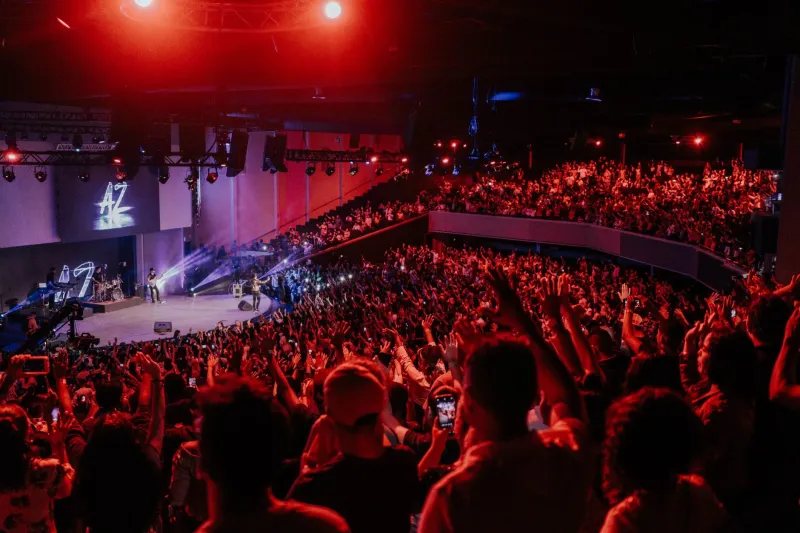
You're three songs into your set. The applause is polite. A few people are checking their phones. Someone near the back just ordered another drink and turned away from the stage. None of this is catastrophic—yet. But if you don't catch these signals and respond fast, that lukewarm crowd is going to stay lukewarm, and you're walking away with a mediocre review and zero rebook potential.
Reading a room isn't some mystical sixth sense. It's a learnable, repeatable skill. And for demo artists who rely on word-of-mouth referrals and repeat bookings to keep their calendar full, developing that skill is just as important as nailing the high note.
The First Five Minutes Are Everything
Before you play a single note, your audience is already giving you information. Watch the room as you set up or as the MC introduces you. Are people facing the stage or facing each other? Is the energy buzzy and anticipatory, or distracted and low? Are guests dressed up and ready to celebrate, or does it feel like they've already peaked before you arrived?
This pre-performance read sets your baseline. If the room is already up, your job is to match and elevate. If it's flat, you know you're going to need to do a little more work to bring them along.
Pay attention to the physical layout too. A wide room with tables spread far from the stage creates natural emotional distance. A tight, standing-room setup creates pressure cooker energy. Neither is better or worse—they just require different approaches.
Body Language Tells You Everything
Once you're performing, your eyes should be doing as much work as your voice. Here's what to look for:
Positive signals: People leaning forward, nodding, mouthing lyrics, swaying, making eye contact with you or with each other. Couples dancing or moving closer together. Small groups forming near the stage.
Warning signals: Arms crossed, bodies angled away from the stage, eyes down at phones, side conversations that aren't excited chatter but full-on disengaged talk. People leaving for the bar and not coming back.
Recovery opportunities: Someone who was disengaged suddenly looks up when you change tempo or key. A group near the back starts nodding when you drop into a recognizable song. These are your green lights to lean into whatever just shifted their attention.
The key is to scan the room in a way that feels like connection, not surveillance. Move your gaze naturally. Make brief, genuine eye contact with individuals. That alone can pull a distracted person back into the moment.
Don't Ignore the Staff
Here's an underrated source of real-time feedback: venue staff. Bartenders and servers see crowd energy from a different vantage point, and they'll often give you nonverbal cues without realizing it. If the bar staff starts moving faster and the tip jar is filling up, the energy is good—people are celebrating. If they're leaning on the counter looking bored, that's a mirror of the room.
Event planners and coordinators are another read. If your point of contact is hovering near the stage looking pleased, you're doing your job. If they've disappeared into a back room or are whispering to a colleague with a furrowed brow, it might be time to make a change.
The Tactical Pivot: Setlist, Pacing, and Presence
Once you've identified a dip in energy, the question is: what do you actually do about it? Here are three levers you can pull.
Setlist pivot: Keep a mental shortlist of three to five songs that reliably generate crowd response—your proven crowd-pleasers. If the room is cooling off, pull one of those forward. Don't wait until the end of the set to break out the song that always gets people moving.
Pacing adjustment: Sometimes the problem isn't the song, it's the tempo. A string of mid-tempo tracks can lull a crowd into passivity. Drop in something faster, or go the opposite direction and strip things back to something intimate and emotionally direct. Contrast is a powerful attention-grabber.
Stage presence shift: Move. Change your physical position on stage. Step forward, crouch down, make a direct comment to the audience. Sometimes the simplest pivot is just breaking the fourth wall—a quick, genuine moment of connection between you and the room can reset the entire vibe. You don't need a scripted bit. A real observation about the event, the crowd, or the moment you're all sharing together works just as well.
Turn Instinct Into a System
The goal isn't to become a reactive performer who's constantly chasing the crowd. It's to build enough awareness that your in-the-moment decisions feel instinctive—because they've been practiced.
After every gig, spend five minutes writing down what you noticed. What worked? When did you feel the room shift? What did you do, and did it land? Over time, these notes become a performance playbook that's specific to your style, your setlist, and the types of events you work.
Share those notes with anyone who shoots your live footage. When you review video of your performances, watch the crowd, not just yourself. You'll start to see patterns you missed in the moment.
Why This Directly Affects Your Booking Rate
Here's the business case for all of this: clients rebook artists who make their guests feel something. They recommend performers who turned a corporate dinner into a memorable night or got a wedding reception genuinely dancing. Those outcomes don't happen by accident—they happen because a skilled demo artist read the room, made adjustments, and delivered.
When a client says, "Everyone loved them," they're not always describing technical skill. They're describing the feeling the artist created. And that feeling starts with knowing your audience well enough to give them exactly what they need, even before they know they need it.
Crowd reading is a craft. Practice it like one.