Ditch the Pitch: How Demo Artists Build Industry Connections That Actually Open Doors
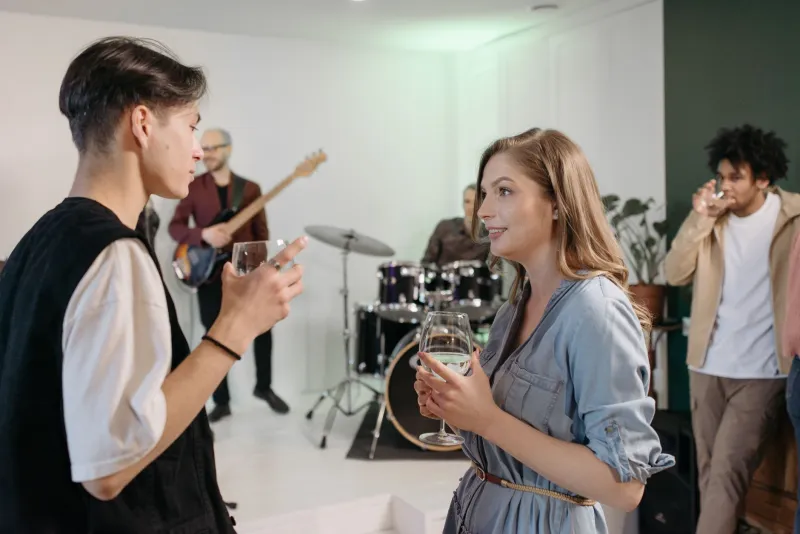
Let's be real for a second. The word "networking" makes most people cringe. It conjures up images of awkward conference rooms, business cards nobody keeps, and that one guy who corners you at a showcase to explain why his demo is exactly what you've been looking for. Nobody wants to be that guy.
But here's the thing — building genuine industry relationships is one of the most powerful career moves a demo artist can make. The difference between networking that works and networking that tanks your reputation comes down to one thing: are you showing up to give, or are you showing up to get?
The music industry runs on relationships. A&Rs champion artists they trust. Producers refer clients they actually like. Playlist curators share work from people they've genuinely connected with. If you want to get into those circles, you have to stop treating every conversation like a sales pitch and start treating people like, well, people.
Why Transactional Networking Backfires
Here's a scenario that plays out constantly. A demo artist finds a producer they admire on Instagram, sends a cold DM that reads something like, "Hey! Love your work. I'm a demo artist and I think we'd be a great fit. Check out my SoundCloud?" — and then wonders why they never hear back.
The problem isn't the outreach. It's the timing. You're asking for something before you've given anything. In a world where every industry professional gets dozens of these messages a week, that approach doesn't just fail — it actively marks you as someone who sees them as a stepping stone rather than a person.
Transactional networking treats relationships like vending machines. You put in a connection, you expect an opportunity to drop out. Real relationship-building is slower, messier, and way more rewarding.
Start With Genuine Curiosity
The easiest way to shift your approach? Get actually curious about the people you want to connect with. Before you reach out to a playlist curator or A&R rep, spend some time learning about their work — not to flatter them strategically, but because understanding what they do makes you a more interesting conversation partner.
Follow their public activity. Read their interviews. Listen to the playlists they've built or the artists they've signed. When you do reach out, reference something specific. Not "Love your vibe," but "I noticed you've been leaning into a lot of indie-folk crossover lately — that playlist you built around the Austin scene was really well-curated."
That kind of specificity signals that you're paying attention. And people remember when someone actually pays attention.
Show Up Where They Already Are
One of the most underrated networking strategies for demo artists is just being present in the right spaces — consistently and without an agenda. That means attending industry panels, local showcases, open mics, and music conferences like SXSW, A3C, or NAMM. Not to hand out your card to everyone in the room, but to participate in conversations, ask good questions, and be a recognizable face over time.
Online spaces work the same way. Twitter/X, LinkedIn, and music-specific communities like Groover or SubmitHub forums are full of working industry professionals who are actually accessible. Comment thoughtfully on their posts. Share their work when it resonates with you. Contribute to conversations without always steering them back to yourself.
You're not trying to impress anyone. You're just trying to be a person worth knowing.
The Art of the Low-Pressure Follow-Up
Okay, so you've had a great conversation at an event or exchanged a few comments online. Now what? This is where a lot of demo artists either disappear entirely or overcorrect by following up too aggressively.
The sweet spot is a follow-up that adds value without making a request. Send a quick message referencing your conversation and maybe share something relevant — an article about a trend you discussed, a track that reminded you of what they mentioned, or a genuine compliment on something they released since you last talked. Keep it light. Keep it human.
If they respond, great — keep the conversation going naturally. If they don't, give it a few weeks before trying again, and don't take it personally. Industry folks are busy. A lack of response isn't a rejection; it's just life.
What you want to avoid: following up with "Just checking in — did you get a chance to listen to my demo?" That shifts the energy immediately from relationship-building back to pitching, and it can undo the goodwill you've already built.
Leverage Your Existing Network Smarter
Here's something a lot of demo artists overlook — the connections you already have are your most valuable networking asset. A warm introduction from a mutual contact carries ten times the weight of a cold DM.
Think about who's already in your corner. Fellow musicians, studio engineers, session players, music teachers — any of these people might have a connection to someone you're trying to reach. Don't be afraid to ask for an introduction, but do it thoughtfully. Explain who you're hoping to connect with and why, and make it easy for your contact to vouch for you by being clear about what you're looking for.
And always, always return the favor. If someone in your network is looking for a connection you can make, make it. Generosity is the currency that keeps these ecosystems running.
Give Before You Ask — Every Time
The golden rule of authentic networking is simple: give before you ask, and give more than you ask. That could mean sharing a producer's new release to your audience, writing a genuine review of an A&R's label's latest signing, or offering your skills — maybe a quick demo recording — to a fellow artist who's just starting out.
When you become known as someone who contributes to the community without expecting immediate returns, the opportunities start finding you. A&Rs talk to each other. Producers refer clients. Playlist curators share names. Your reputation — built one real conversation at a time — becomes the thing that gets you in the room.
Play the Long Game
Building a real network takes time. There's no shortcut, no hack, no DM template that replaces months and years of showing up consistently and caring about the people around you.
But here's the upside: when those relationships are real, they're durable. A producer who genuinely likes you will think of you when a project lands on their desk. An A&R who's watched your growth will be more likely to take a meeting. A playlist curator who's seen you support their work will be more open to hearing yours.
The music industry is smaller than it looks, and it has a long memory. Be the demo artist people are glad they know — not the one they're relieved to finally get off the phone with.
Stop selling. Start connecting. The bookings will follow.