Studio Recording, Live Video, or TikTok Clip — What Demo Format Is Actually Winning Bookings Right Now?
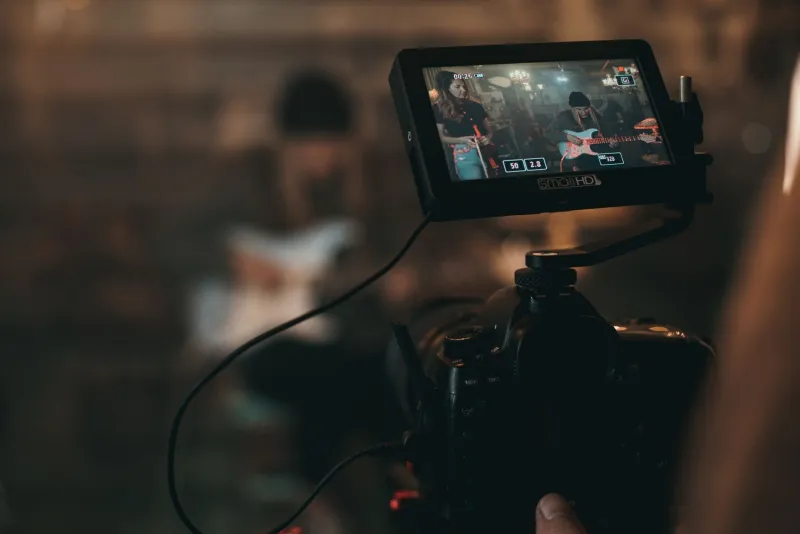
If you've been in the demo artist world for more than a few years, you've watched the landscape shift pretty dramatically. A polished studio recording used to be the gold standard — the thing you handed over on a CD (yes, really) or later uploaded to a SoundCloud link in an email. Then YouTube made video essential. Then streaming changed audio expectations. Now there's TikTok, Instagram Reels, virtual session platforms, and a dozen other formats all competing for the attention of the people who control booking budgets.
So what actually works in 2024? The honest answer is: it depends on who's doing the booking. But that's not a cop-out — it's actually useful information, because once you know who you're targeting, you can make smarter decisions about where to put your time and money.
Let's break it down by format and by audience.
The Studio Recording: Still the Foundation, But Not Enough on Its Own
A high-quality studio recording remains the baseline expectation for music industry professionals — producers, A&R representatives, music supervisors, and anyone hiring for session or demo work. These clients have trained ears. They're listening for tone, pitch accuracy, dynamic control, and how you sit in a mix. A live video or a phone-recorded TikTok clip isn't going to cut it for this audience.
What's changed is the threshold for "good enough." Home studio technology has improved so dramatically that a recording done in a well-treated spare bedroom with a solid condenser mic and decent preamp can absolutely compete with mid-tier commercial studio work. What clients in this space can't forgive is poor acoustics, excessive background noise, or obvious pitch correction artifacts. Clean and honest beats overproduced every time.
For music industry bookings, prioritize studio recordings above all else. Aim for two to four samples that demonstrate genuine range — not just genre range, but dynamic and emotional range. A ballad and an uptempo track in the same genre often tells a more compelling story than four wildly different styles that feel disconnected.
Budget tip: Many cities have hourly studio rental options starting around $30–$75/hour. A focused three-hour session with a competent engineer can yield two polished demo tracks without breaking the bank.
Live Performance Video: The Format That Builds Trust Fastest
Here's something interesting: for corporate event planners and entertainment directors — the people booking demo artists for conferences, product launches, private events, and trade shows — live performance video consistently outperforms studio audio in booking decisions.
Why? Because these clients aren't just buying your voice. They're buying the experience their guests will have. They want to see how you carry yourself on stage, how you handle a live microphone, whether you engage with an audience or stare at a music stand. A pristine studio recording tells them nothing about any of that.
A well-shot live video from a real event — even a relatively small one — is worth more to this audience than the most polished studio demo you could produce. The venue doesn't need to be impressive. What matters is that it's clearly a real performance situation: a stage, some lighting, an actual audience (even a small one), and you doing your thing with visible confidence.
If you don't have live footage yet, create an opportunity to get it. Offer to perform at a local venue's open night, volunteer for a charity event, or organize a small showcase with a few other artists and hire a videographer for the day. Split the cost if you can. The investment pays off quickly.
What to shoot: A full song from multiple angles is ideal. Make sure your audio is captured cleanly — a simple lav mic or a direct feed from the board will sound dramatically better than the camera's built-in microphone.
Virtual Sessions and Remote Demos: The Format That Keeps Growing
The pandemic accelerated something that was already in motion: clients got comfortable hiring performers they'd never met in person and working with artists remotely. Virtual session demos — recordings or videos that specifically showcase your ability to deliver professional-quality work from a home studio setup — have become genuinely important for a specific slice of the market.
Music producers working across time zones, advertising agencies creating national campaigns, and tech companies producing training or marketing content are all comfortable hiring remotely. For these clients, what they want to see is your home setup, your communication style, and evidence that you can self-direct and deliver without needing an in-person session.
A short video walkthrough of your recording space, combined with a demo recorded entirely in that space, is a compelling pitch for this audience. It removes the uncertainty: they can see that your room is acoustically treated, that your equipment is professional-grade, and that you know how to use it.
Platform note: Sites like Source Elements, SessionLinkPRO, and even simple Zoom setups have normalized real-time remote sessions. If you haven't experimented with offering live remote sessions as part of your service menu, it's worth adding.
Short-Form Video (TikTok, Reels, Shorts): Great for Visibility, Complicated for Bookings
Let's be real about what short-form video does and doesn't do for demo artists.
On the positive side: TikTok and Instagram Reels are genuinely powerful discovery tools. A clip that catches traction can put your name in front of thousands of people who'd never find you through a Google search or a booking platform. Several demo artists have landed significant opportunities — brand partnerships, sync placements, major event bookings — because a short video went wide enough to reach the right person.
On the complicated side: short-form content rarely closes a booking on its own. It generates interest, and then that interest needs somewhere to go. If a corporate event director sees your 30-second TikTok clip and wants to book you, they're going to look for a website, a full demo, and some evidence of professionalism before they send a contract. If those things aren't in place, the momentum dies.
Think of short-form video as the top of your funnel, not the bottom. Use it to get found. Use your website, your studio recordings, and your live videos to close the deal.
Content that performs well for demo artists on short-form: before/after comparisons (rough take vs. final), quick vocal technique breakdowns, day-in-the-life studio content, and reaction-style videos where you interpret a well-known song in your signature style.
So What Should You Actually Prioritize?
Here's a practical framework based on your primary target market:
- Targeting music producers and A&R: Lead with polished studio recordings. Video is secondary.
- Targeting corporate event planners and entertainment directors: Lead with live performance video. Studio audio supports it.
- Targeting remote production clients and ad agencies: Lead with a virtual session demo that shows your home setup and self-direction capability.
- Building general visibility and inbound leads: Invest in short-form video consistently, but make sure you have a strong website to catch the traffic it generates.
Most working demo artists will benefit from having at least two format types ready to go — one that speaks to industry professionals and one that speaks to event and brand clients. They're different audiences with different needs, and a single format rarely serves both well.
The good news is that producing across multiple formats doesn't require a massive budget. It requires a clear strategy, a little planning, and a willingness to show up in more than one way. The artists who are consistently busy in this market aren't necessarily the most talented — they're the ones making it easy for the right clients to say yes.